Morocco, around 2015, was a journey in motion: imperial cities, the Atlantic coast and the desert. More than one place, I remember the constant changes in light, pace and landscape — and the camera as a way of trying to hold on to them.
The route crossed Marrakech, Fez, Rabat, Essaouira and Agadir before reaching Merzouga. Dense medinas, long roads, ocean, markets, silence and sand coexisted within a few days. It was one of those journeys where distance is not measured in kilometres alone: every stop seemed to change the way I looked at the next.
From the noise of the cities to the silence of the Sahara
Marrakech and Fez meant colour, density and movement. Rabat showed another side; Essaouira and Agadir took the journey towards the Atlantic. Merzouga changed the scale completely: a night in the Sahara, travelling by camel and a horizon that seemed to remove everything non-essential from the landscape.
There is no single episode that sums up the journey. The memory is a sequence of contrasts: the ocean after the cities, the desert after the coast, places far removed from my habits and details that suddenly felt familiar.
Travelling with a camera
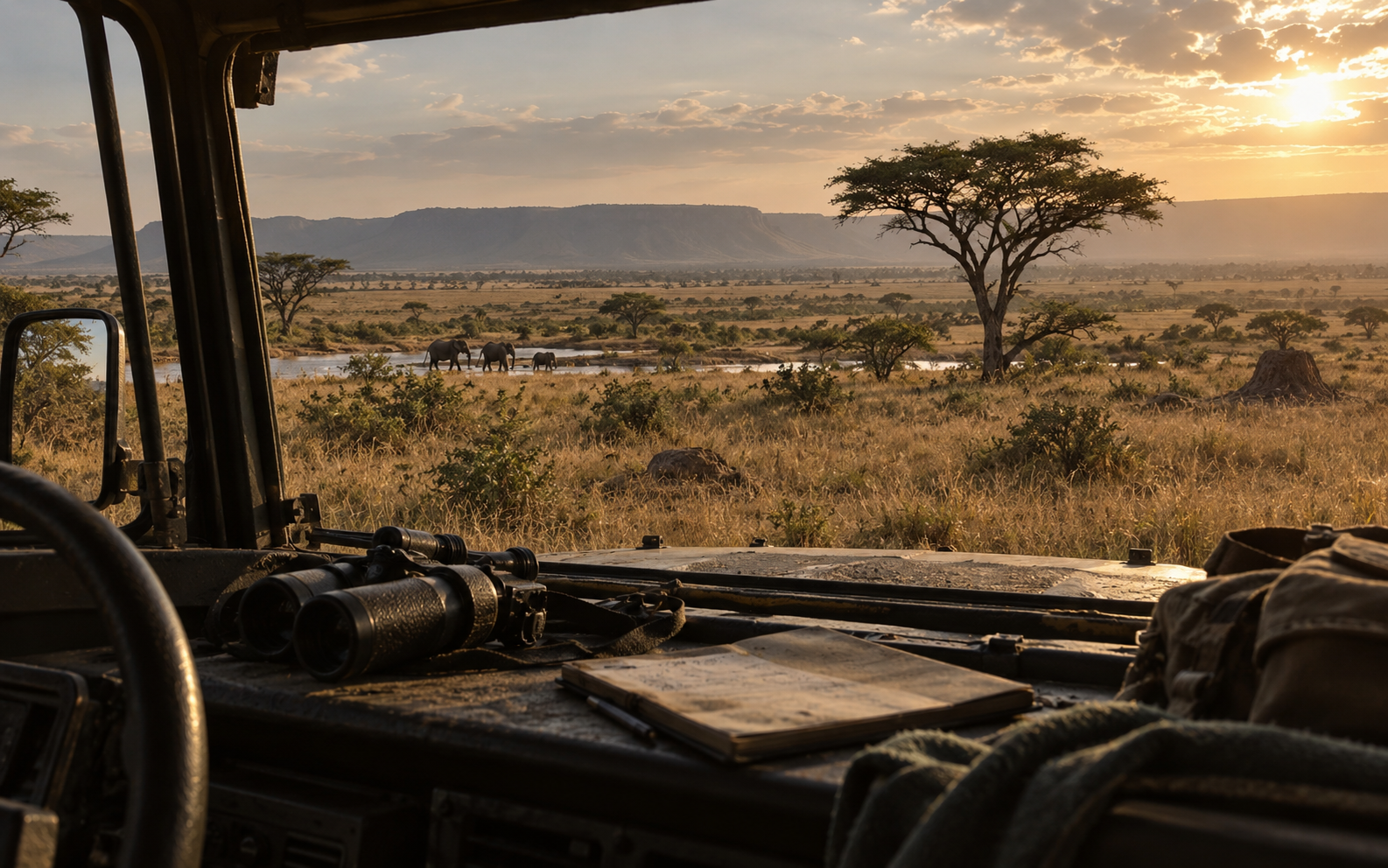
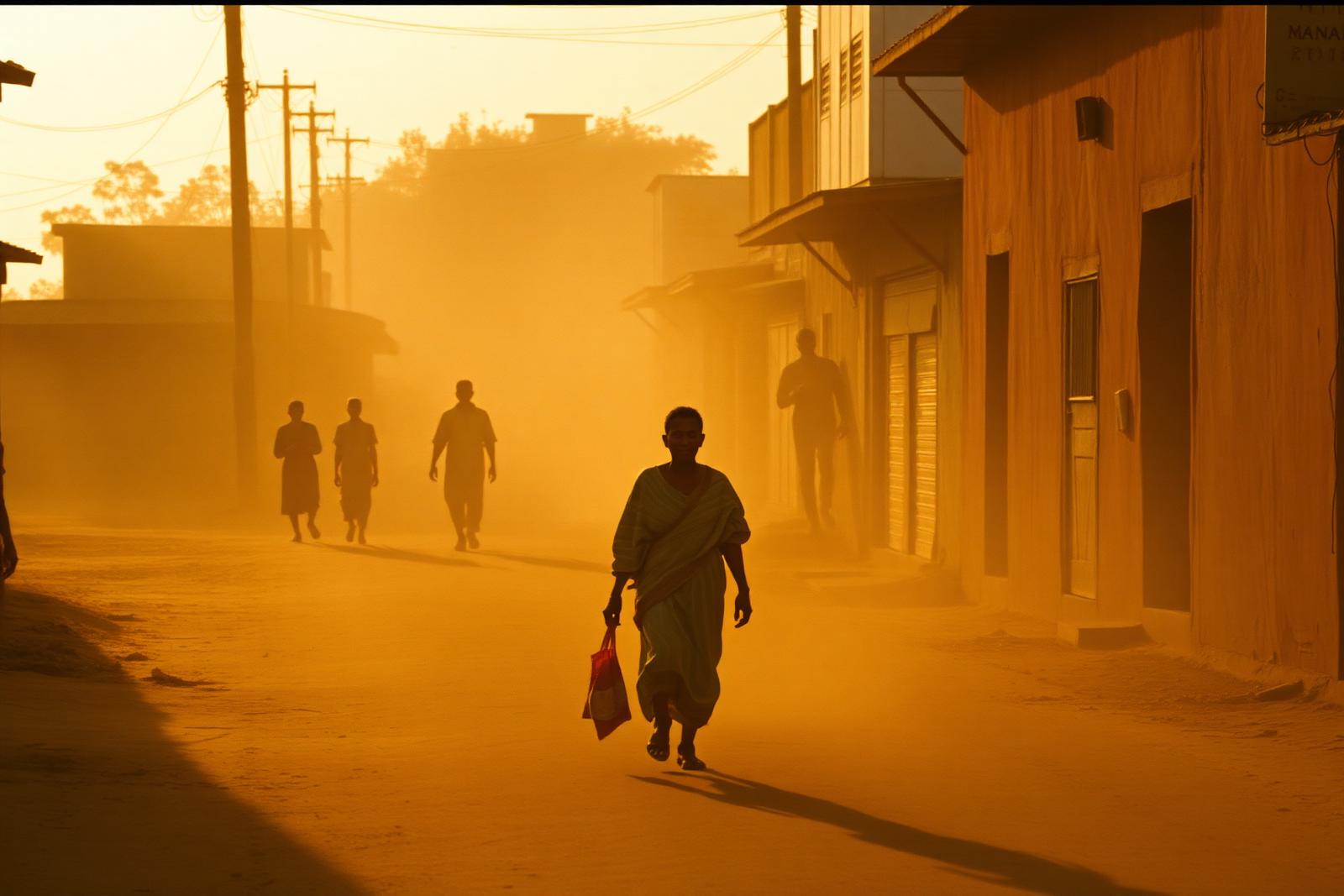
Photography occupied a large part of my life at the time. I was not simply collecting holiday pictures: I watched colours, geometry, faces, architecture and shifts in light. I still have many photographs I took during that journey, which will gradually replace the temporary images in this story.
The camera had already become a tool for looking before speaking. Morocco offered material everywhere, but also demanded responsibility: a successful photograph should never be confused with an understanding of a culture.
Familiarity inside difference
What remains is not a final lesson about Morocco. It is a more useful feeling: a culture can seem distant while returning gestures, hospitality, habits and desires we recognise. Travel does not erase differences, nor does it entitle us to speak as if we had understood an entire country. It can, however, reveal that distance and familiarity exist at the same time.
It is the same caution I use when telling the story of my first encounter with Africa: beginning with lived experience without turning it into a definition of a country or a continent.