In 2022 I travelled through Zambia and Zimbabwe, following the course and landscape of the Zambezi for many days. From Victoria Falls to Lake Kariba, from Mana Pools to Hwange, the journey reminded me that truly wild nature does not promise an immediate show: it makes you wait.
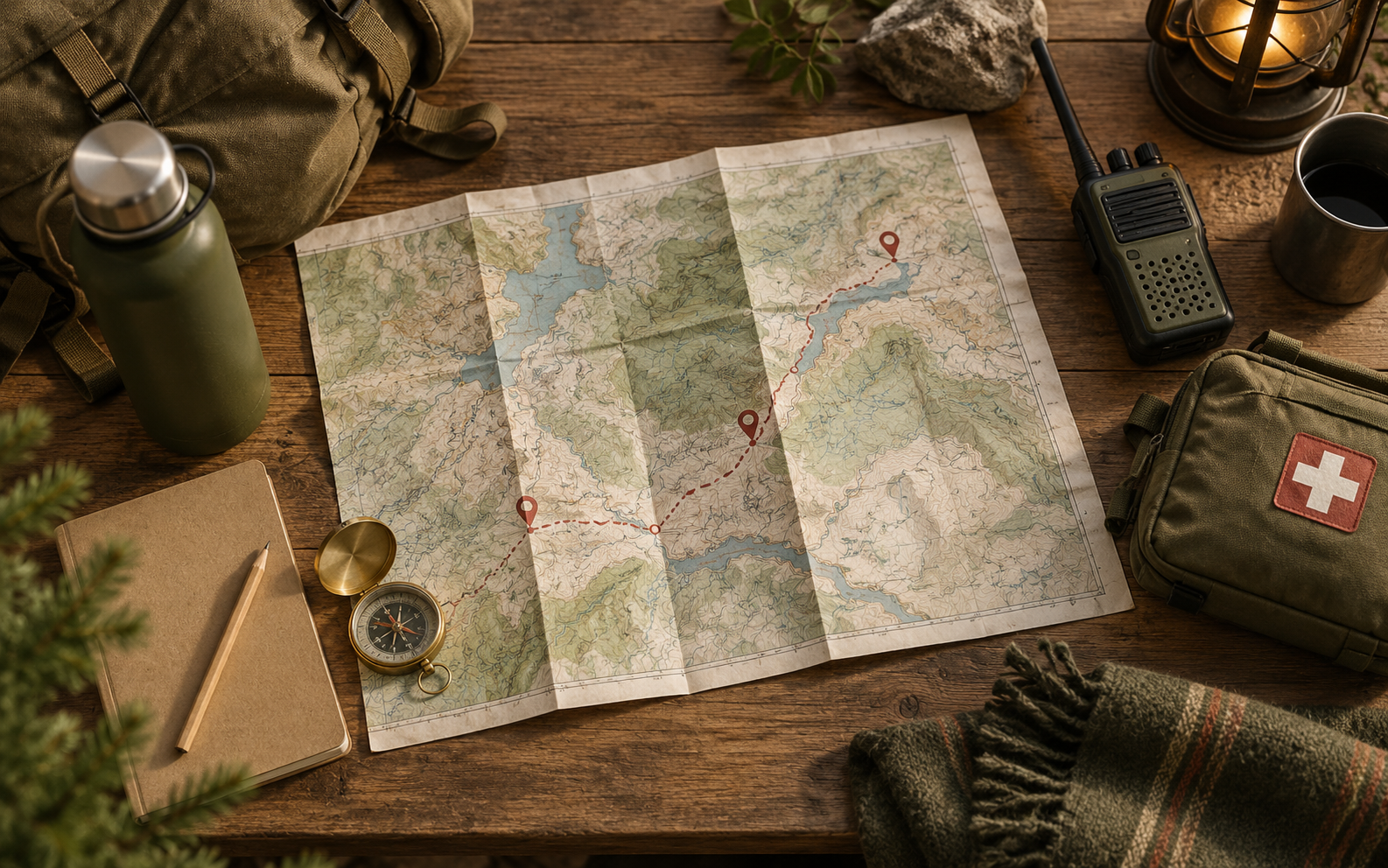
The route began at Victoria Falls. It was my third time seeing them, from different perspectives over the years. This time they were the starting point of a much wider itinerary: the Zambian side, Lake Kariba, the great dam on the border with Zimbabwe, Mana Pools, Binga, Hwange and finally the return towards Victoria Falls.
A journey built around the Zambezi
Victoria Falls is shared by the two countries. UNESCO describes Mosi-oa-Tunya/Victoria Falls as a transboundary property between Zambia and Zimbabwe, formed where the Zambezi is more than two kilometres wide before plunging into basalt gorges. Seeing it again did not make it less impressive; it helped me place it within a much larger geographical system.
We followed Lake Kariba to the dam and border post. The Zambezi River Authority is itself a binational institution, established through parallel legislation in Zambia and Zimbabwe to manage the section of the river shared by the two countries. Crossing that structure made the relationship between water, energy, border and territory tangible.
Four days without a lion
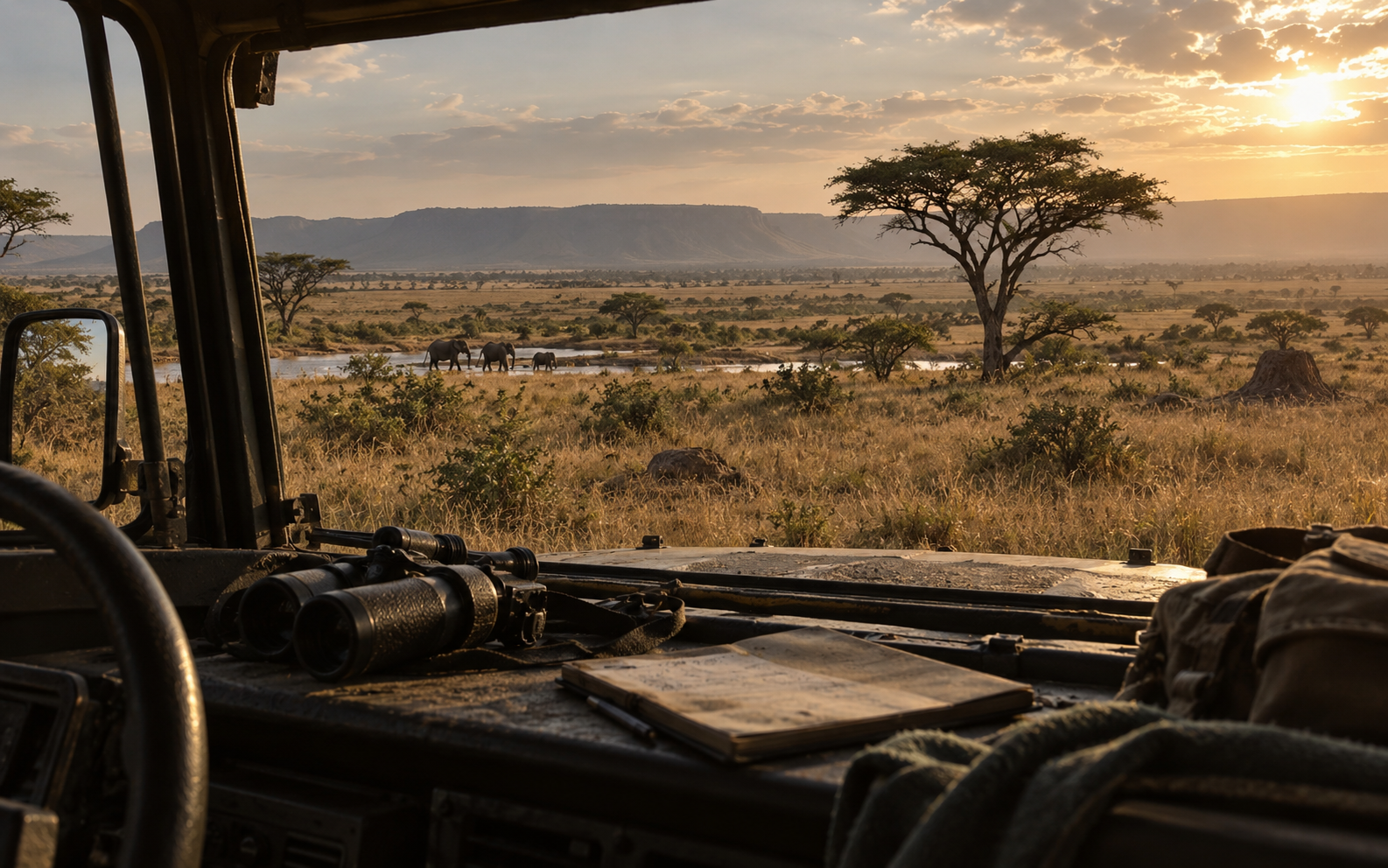
At Mana Pools we spent roughly three and a half days without seeing a lion or another large cat. We saw elephants, buffalo and many other animals, but not the sight visitors almost automatically associate with safari. Then the lion appeared.
The waiting was part of the experience, not a flaw in the park. According to UNESCO, Mana Pools together with Sapi and Chewore covers 676,600 hectares. In a space of that scale, animals are not concentrated to satisfy a tourist schedule. They move according to water, seasons, prey and distances beyond our control.
area of the Mana Pools, Sapi and Chewore UNESCO property
That is what I look for in a safari. Not the greatest possible number of sightings in a few hours, but the sense of entering an environment that would carry on in exactly the same way without us. Because the encounter is not guaranteed, it retains its weight.
Binga, Hwange and Sinamatella
After Mana Pools we continued along the lake, passing through Binga, and travelled down towards Hwange National Park. We stayed at several camps. The one I remember most clearly is Sinamatella: not only because of the landscape, but because of a person.
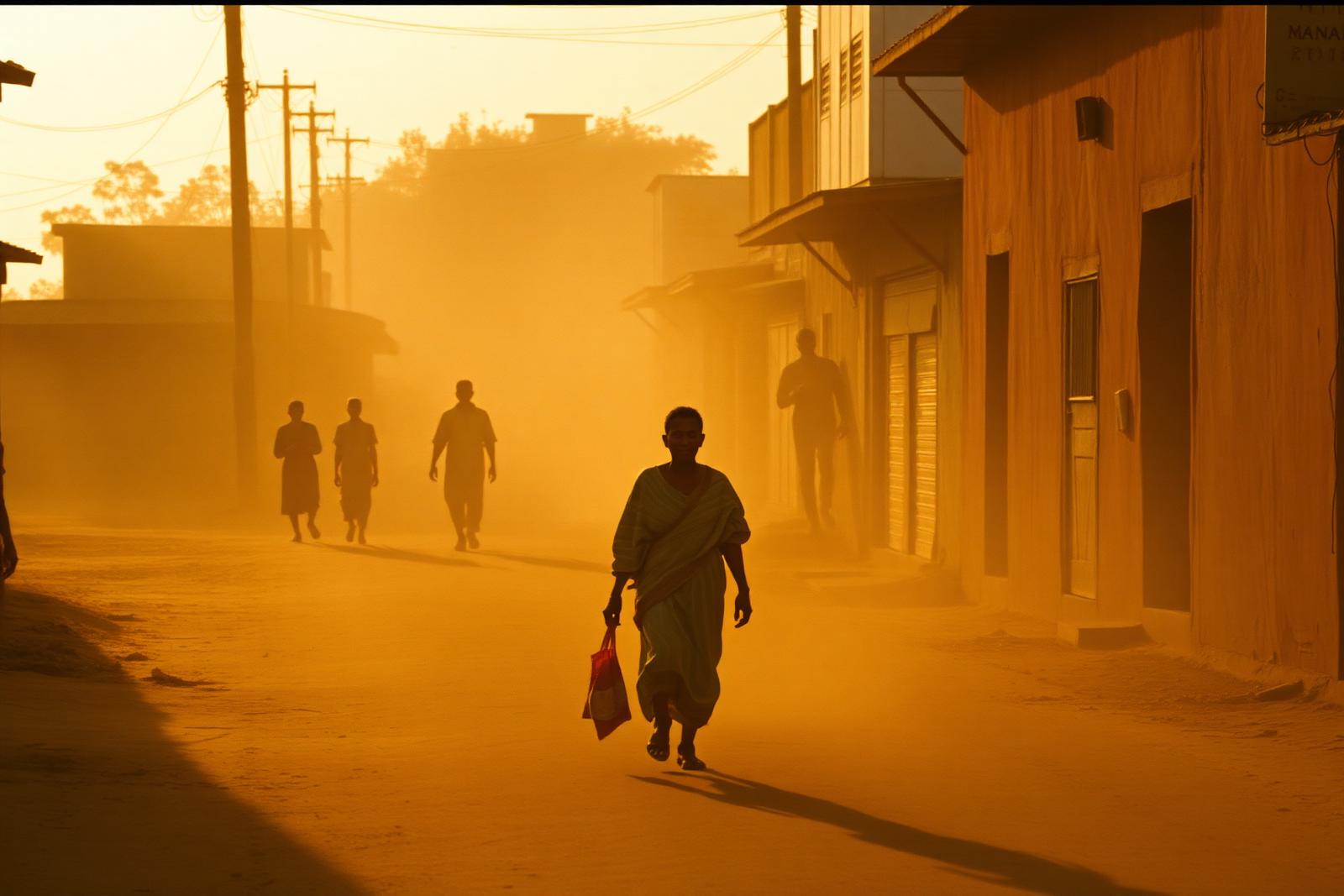
There I met a local ranger roughly my age. The relationship quickly moved beyond a conversation between visitor and park professional. We connected, stayed in touch and still speak today. Among the many images from the journey, this relationship is what most clearly separates it from a list of destinations.
Years earlier, during my 2013 journey through Zambia, a mission, a leprosy centre and an open radio had changed the meaning of travel. In 2022, once again, a person shifted the centre of the story.
A park should not have to stage itself
It is tempting to judge a safari by the number of animals photographed. But a large park is not a stage set, and it does not have to deliver the Big Five on cue. The larger the territory, the less predictable the experience. That is also why it can feel more real.
What remains from that journey is its scale, the waiting and two encounters: the lion that finally appeared and the far less predictable meeting with the Sinamatella ranger. The second has lasted longer.